·Redi K.·1 min read
Minimalist Furniture: Fewer Pieces, More Function
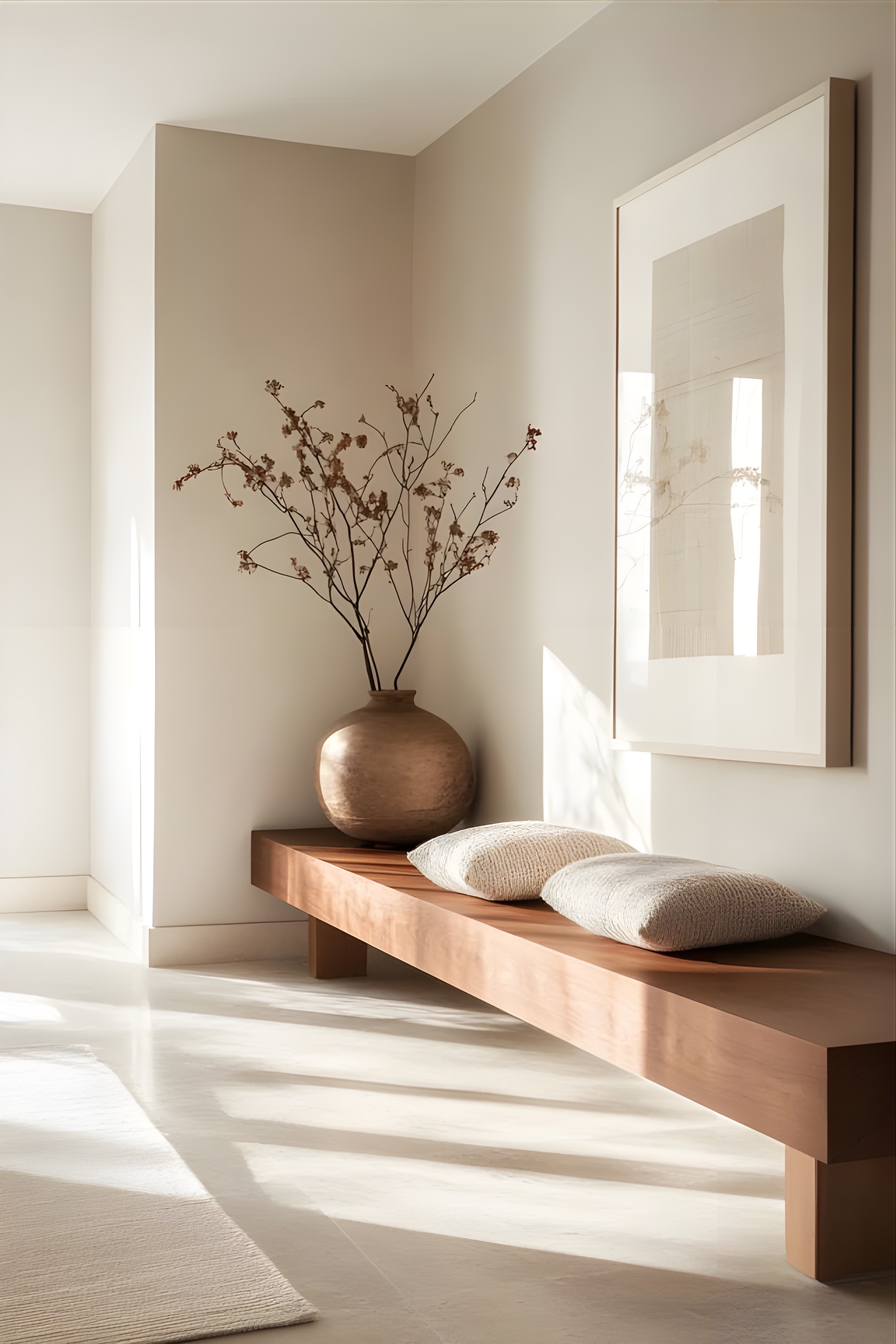
Minimalist furniture is not simply white, handleless, and straight-lined. It removes what does not support function and places greater importance on scale, material, and detail.
With fewer pieces in a room, each one is seen and used more. The choice must therefore be more precise, not neutral at any cost.
Begin with non-negotiable functions
Define how much seating, work surface, and storage is genuinely needed. An empty room that does not support the routine is not minimalist; it is unfinished.
Look for calm proportions
Lines should relate to the architecture, doors, and neighbouring pieces. A very low cabinet on a large wall or an oversized sofa creates tension even when its form is simple.
Material carries the character
- Use timber grain, textile texture, or well-made metal for depth.
- Limit the number of finishes and repeat them in different places.
- Choose surfaces that suit your maintenance routine.
- Do not hide weak hardware behind a clean façade.
Storage must remain accessible
Closed storage creates visual calm only when its interior is organised. Otherwise, clutter merely moves behind a door. Divide space according to belongings and frequency of use.
Add warmth without losing clarity
Soft light, a textured rug, personal art, and natural materials make the room welcoming. Minimalism does not remove identity; it asks you to express it through fewer choices.
In a bespoke project, use simplicity to resolve proportions and storage—not only to create a clean façade.
Design a clear solution →