·Redi K.·1 min read
Biophilic Design: How to Bring Nature Indoors
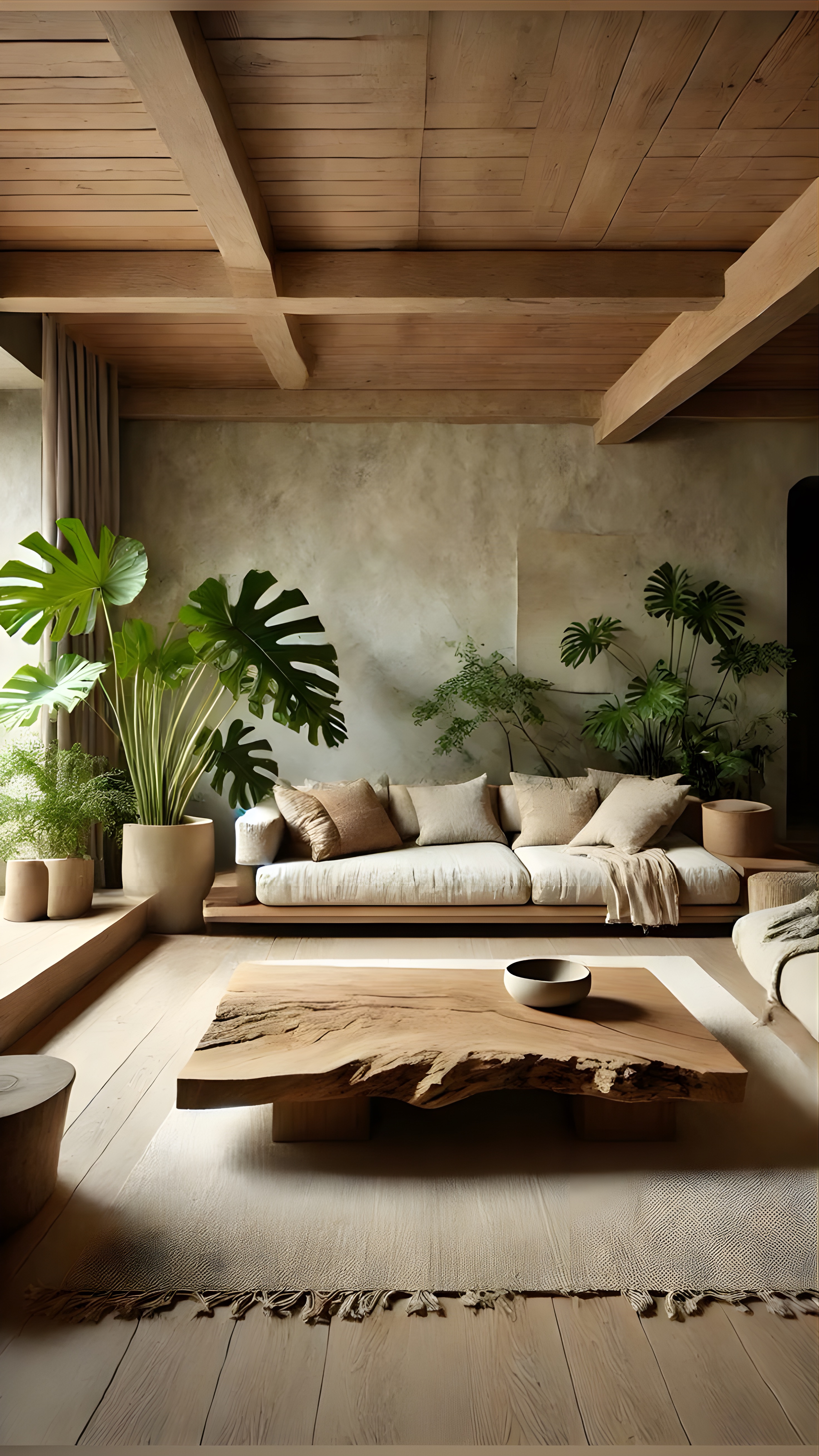
Biophilic design is not about filling a home with plants. It strengthens the connection to nature through light, air, materials, views, and the rhythm of the space.
A room can feel more natural with very little greenery when windows remain open, materials age well, and the layout creates visual calm.
Start with light and outlook
Keep the area around windows clear. Tall furniture, very heavy curtains, and crowded sills can remove light the room already has. Use textiles that filter glare without closing the view completely.
If the outlook is not green, create one calm point indoors: a well-scaled plant, a vase of branches, or a timber surface with visible grain.
Choose plants for the conditions
- Light: observe how many hours of sun arrive and from which direction.
- Your routine: choose species that match the time available for watering and care.
- Placement: keep routes clear and protect furniture from moisture around pots.
- Safety: check plant suitability where children or animals are present.
Work with materials that age well
Timber, stone, wool, linen, and clay add texture without demanding much decoration. Every finish does not need to be entirely natural; a coherent palette, pleasant touch, and appropriate maintenance matter more.
Leave room for air and change
Ventilation, clear circulation, and the ability to open curtains fully are part of the design. Small seasonal changes—a lighter textile in summer or a rug in winter—connect the home to time without a redesign.
A simple starting plan
- Clear the room’s best window.
- Add one plant suited to that light.
- Repeat one natural material in two places.
- Remove one source of visual noise.
- Live with the change for a week before adding more.
When planning new furniture, consider the light, views, and breathing room that will remain around it.
Plan your interior with ROAL →