·Klea D.·1 min read
How to Choose More Sustainable Furniture
The most sustainable furniture is used for a long time, repaired, and not replaced as soon as a trend changes. Material matters, but so do construction, replaceable parts, and fit with real needs.
Do not base the decision on a word such as “eco”. Ask for information that can be checked and choose a product you can maintain.
Begin with longevity
- Check stability and how parts are joined.
- Ask whether hardware, legs, or fronts can be replaced.
- Choose dimensions and form that are not tied to one very narrow use.
- Request care information and a written warranty.
Understand the materials
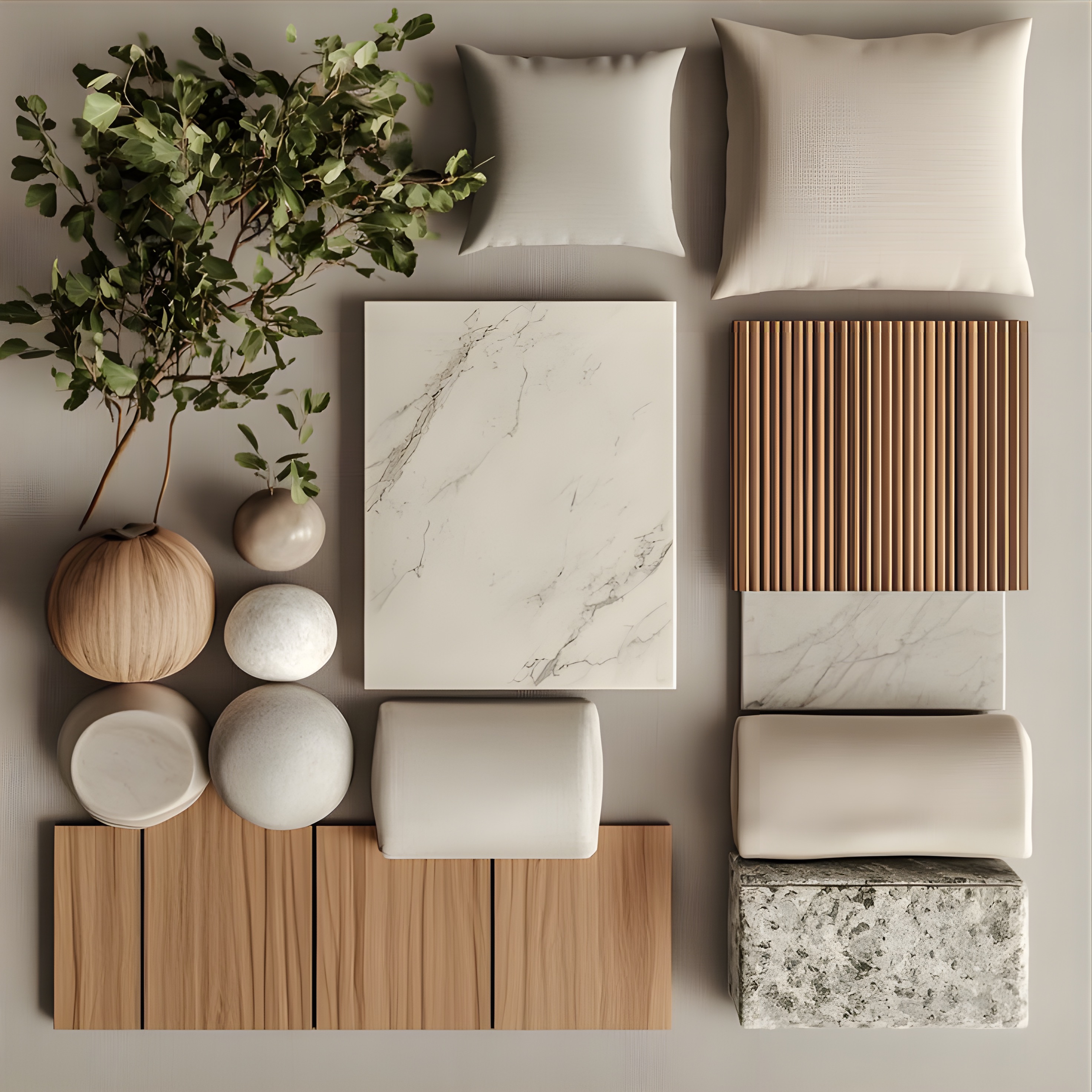
Ask about timber type and source, panel composition, adhesives, finishes, and textiles. Recognised certification can help when genuine and tied to the specific product, but it does not replace a clear specification.
Look for repairability
A sofa with replaceable covers, a table that can be refinished, or a wardrobe using available hardware has a better chance of remaining in service. Irreversibly bonded construction can turn a small defect into full replacement.
Local production is not enough by itself
Shorter distance may reduce transport and simplify service, but also ask about materials, waste, packing, and longevity. “Locally made” is useful information rather than complete proof.
Questions for the maker
- What material is used and how is it maintained?
- Which parts can be repaired or replaced?
- How is the furniture packed and transported?
- Can it adapt if the need changes?
For bespoke furniture, request the material and hardware specification together with the design.
Ask ROAL about the specification →