·Klea D.·1 min read
How to Choose Colour for an Interior
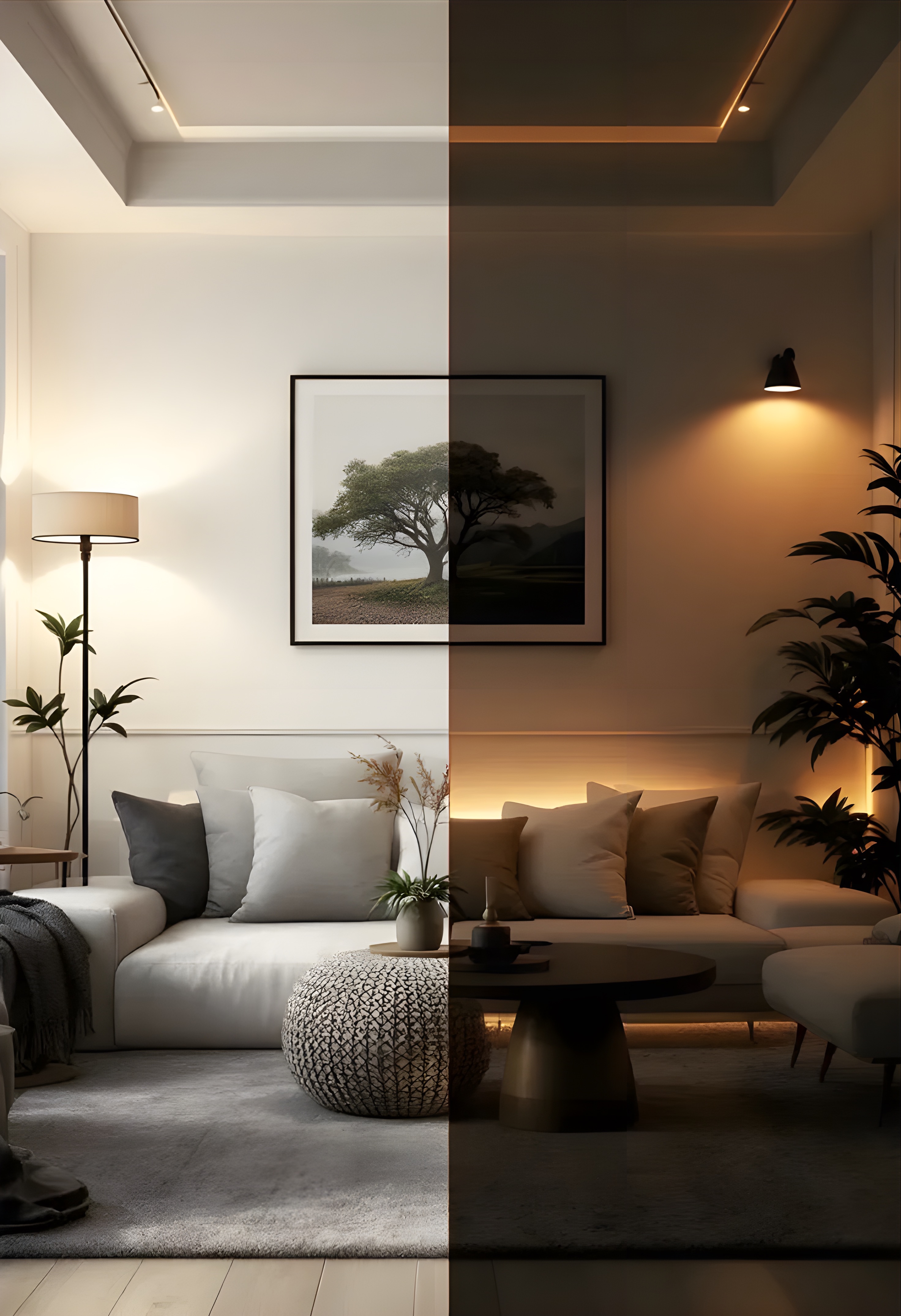
Colour is never read in isolation. It changes beside flooring, timber, textiles, and through different daylight. Choosing from a small chip or screen is therefore only the first step.
A good palette creates relationships between surfaces and leaves room for objects that will change over time.
Begin with elements that are difficult to change
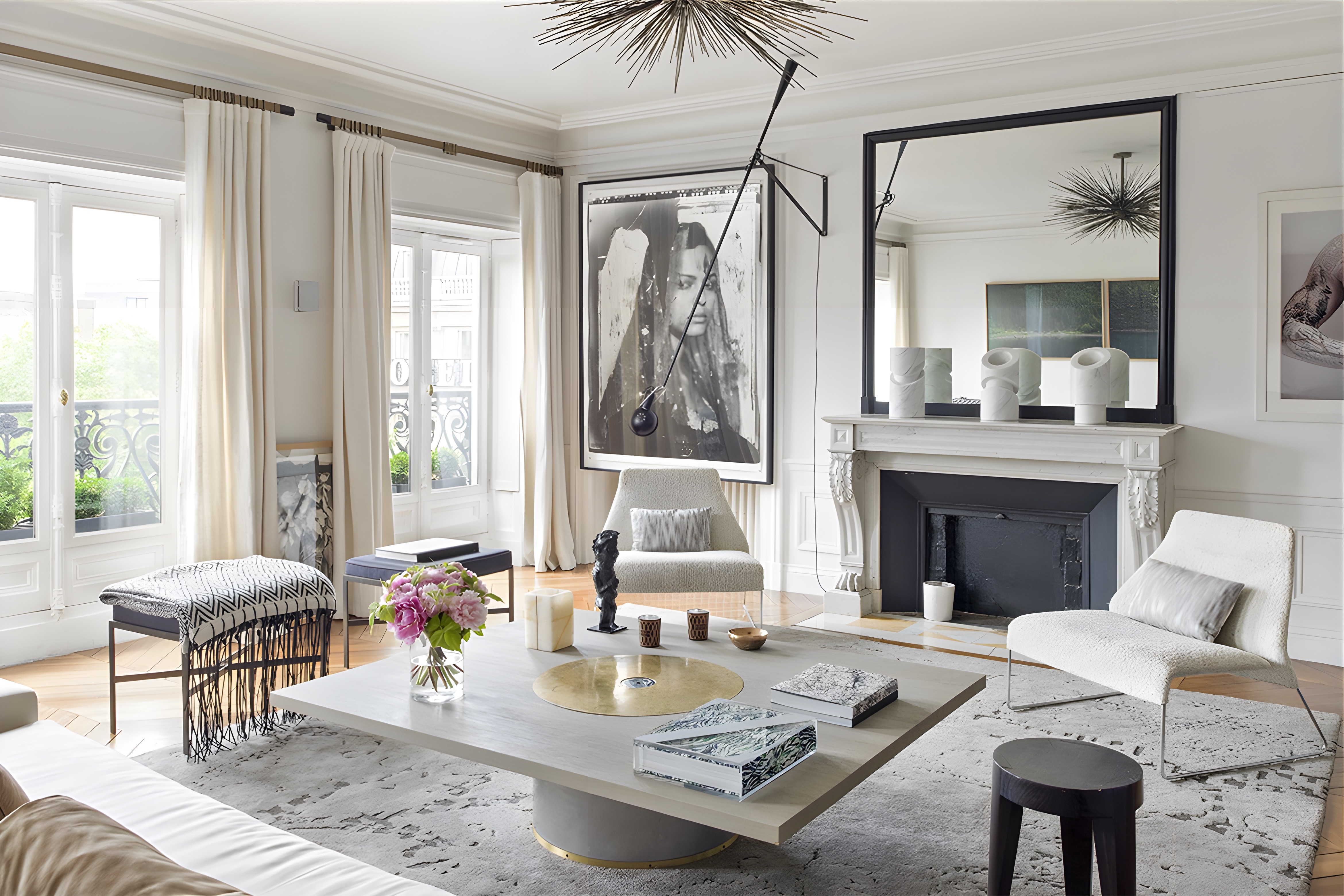
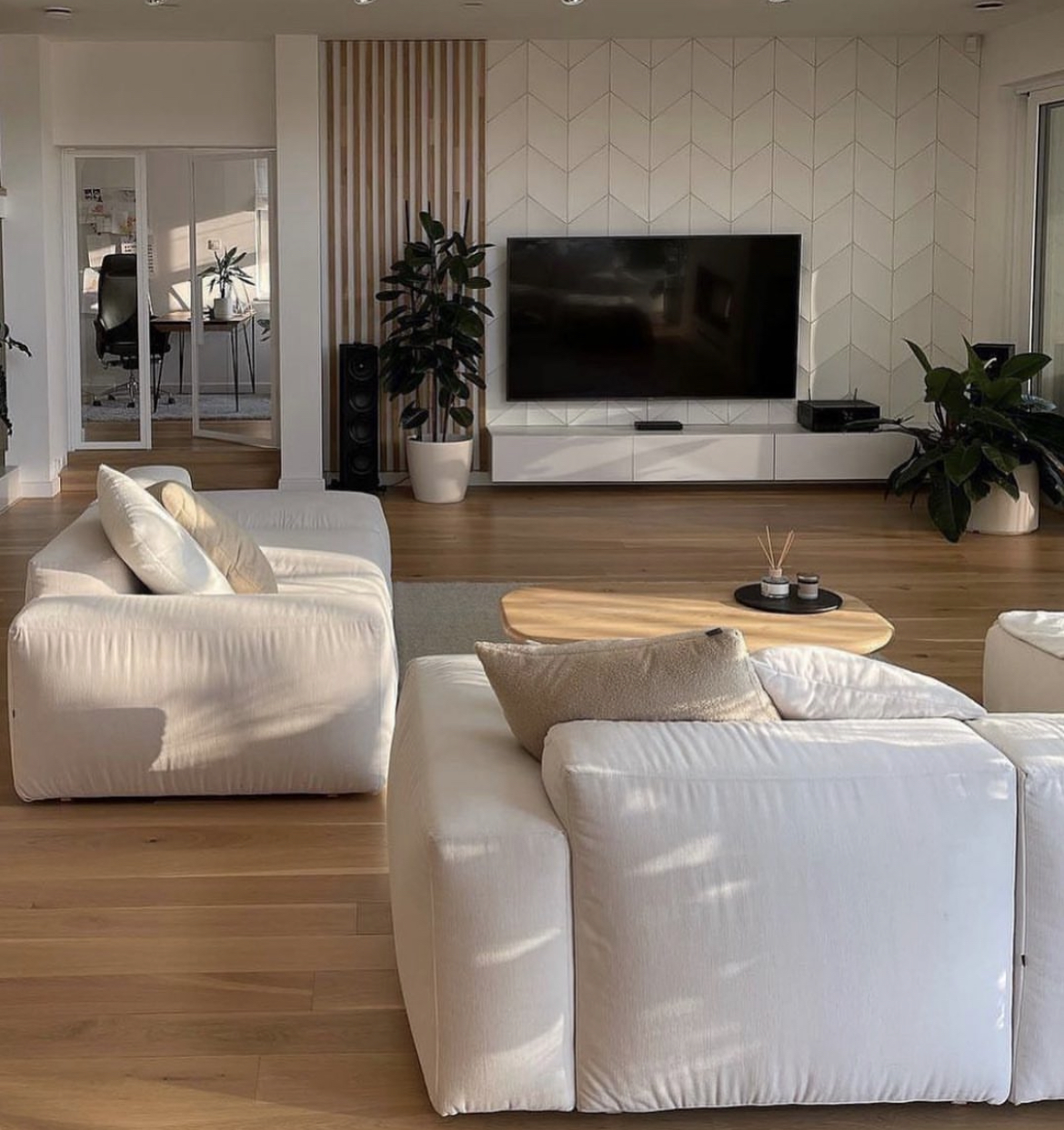
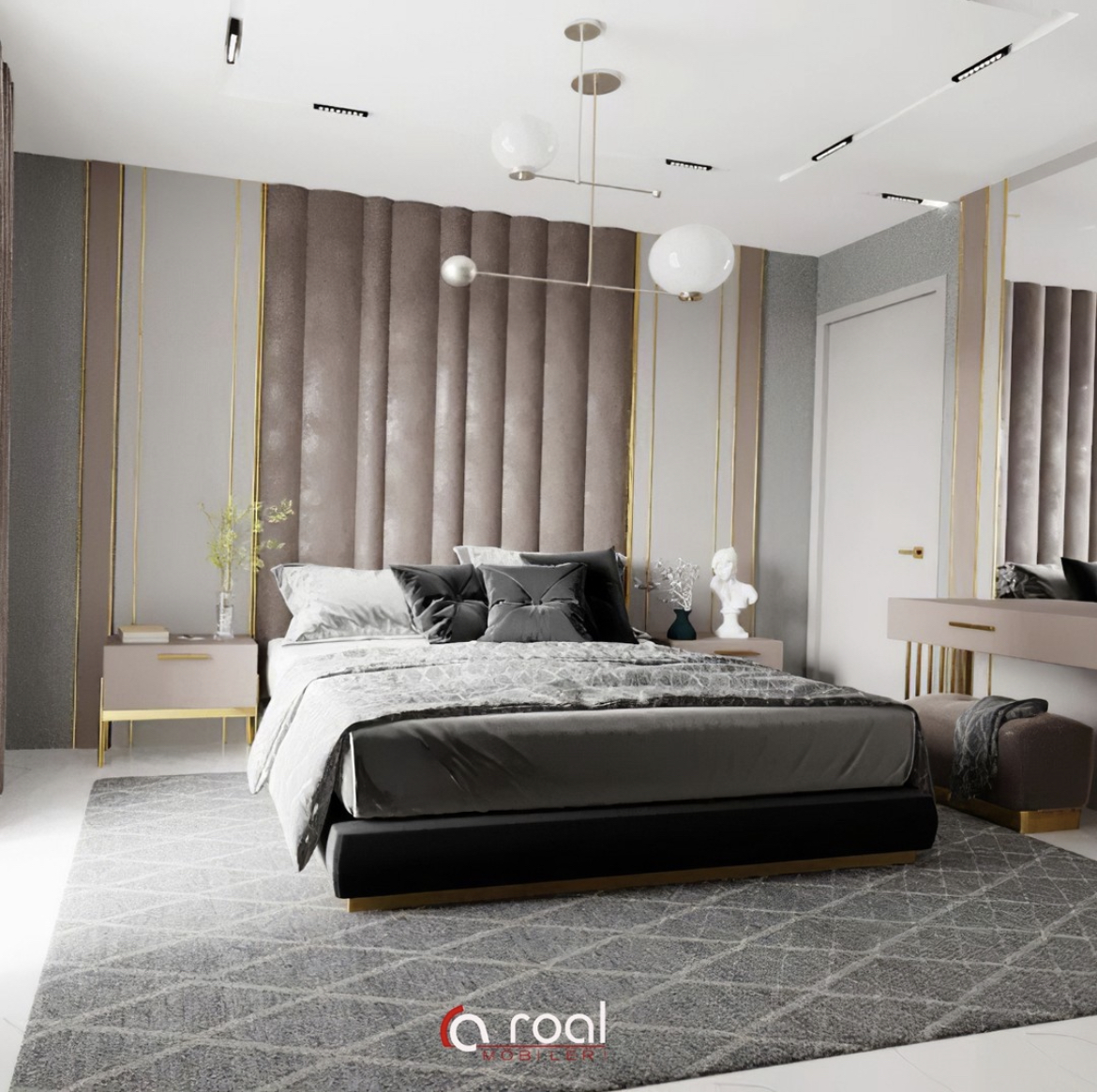
Flooring, worktops, fitted furniture, and the sofa usually last longer than wall paint. Place colour samples beside these materials. It is easier to adjust paint to timber than to replace a kitchen because it conflicts with the wall.
Understand undertone
Two beiges can carry very different undertones; the same grey may appear blue or warm depending on light. Compare colour with a neutral white and the actual materials to reveal its direction.
Use hierarchy
- One base tone for the largest surfaces.
- A secondary material or colour for principal furniture.
- A limited accent through art, textiles, or details.
- A little dark contrast to clarify forms where needed.
Test a larger area
Paint a movable board or a sufficiently large wall section and view it beside the floor. Check morning, strong daylight, and evening under the artificial lighting you intend to use.
Connect rooms without making them identical
Repeat a material or undertone through the main spaces while changing intensity according to light and function. Continuity comes from relationship, not one paint colour used everywhere.
Select furniture finishes and wall colours with real samples viewed in the same light.
Coordinate the palette with ROAL →