·Redi K.·1 min read
Open Plan or Separate Rooms? What to Consider
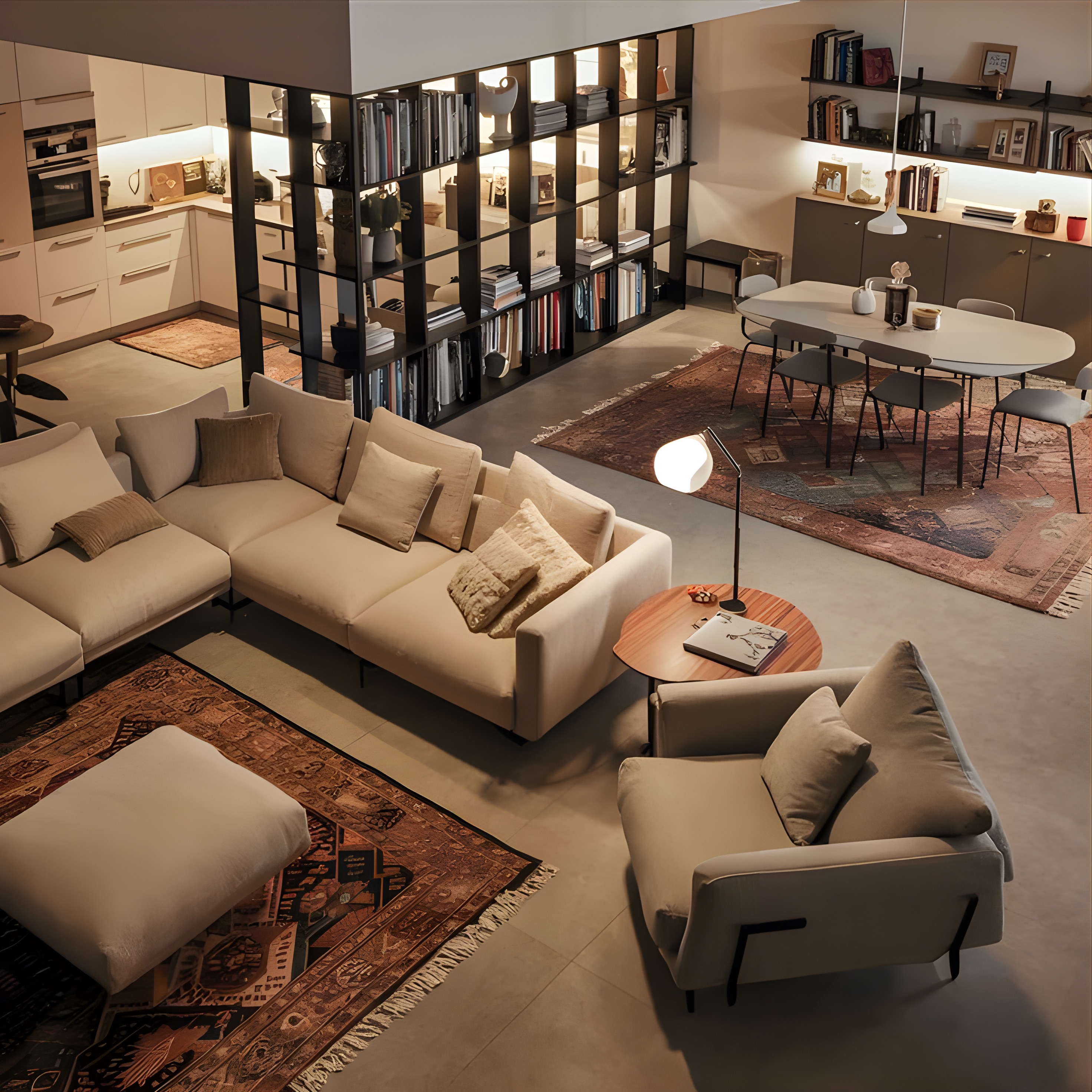
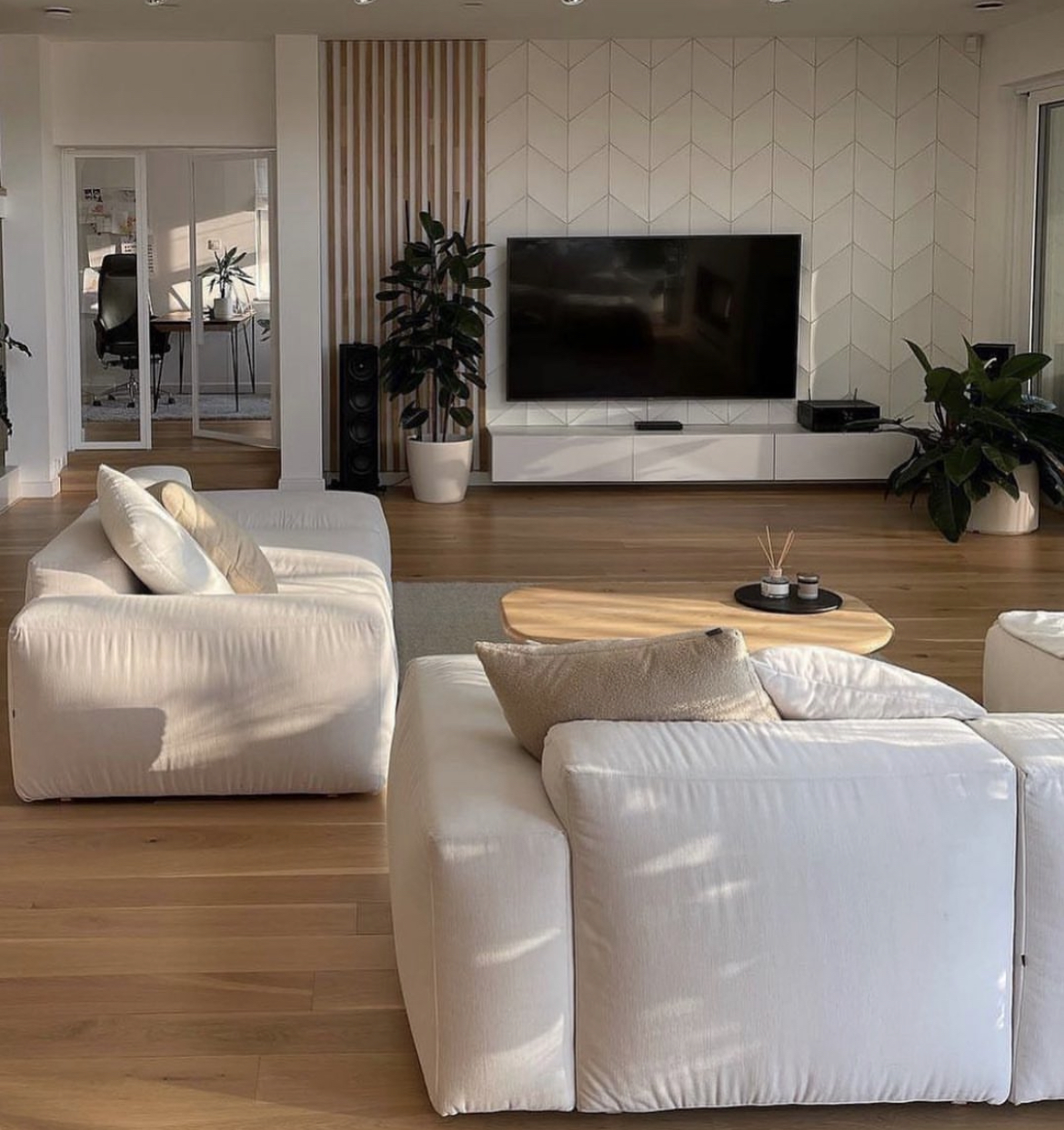
An open plan can bring more light and connection, but it is not automatically more functional. It also combines noise, cooking smells, visible clutter, and activities previously separated by a door.
The decision should reflect how you live and the building’s construction rather than only an attractive image.
What you gain
- Longer views and shared daylight.
- Easier communication while cooking and relaxing.
- More flexibility for dining and seating.
- A unified material composition across the room.
What you give up
- Less control of noise and cooking smells.
- Fewer walls for storage, art, and equipment.
- Greater need for visual order in the kitchen.
- Less privacy when several activities happen together.
Check structure and services
Before removing anything, obtain an assessment from a qualified professional covering structural role, services, and any required approvals. Extraction, gas, water, electricity, and flooring affect the design even where the wall itself can be removed.
Create zones without rebuilding walls
- Use the table, sofa, or a low cabinet as a boundary.
- Change lighting according to activity.
- Repeat materials while giving each zone one distinct element.
- Plan closed storage near the kitchen and entrance.
- Use textiles and surfaces that support acoustics.
The semi-open alternative
Sliding doors, glazed panels, wide openings, or partial divisions retain light while giving control when needed. These solutions require careful detailing and room for mechanisms, but may suit changing routines more effectively.
Plan the kitchen, dining, and living furniture as one system before deciding whether a wall should remain.
Discuss the layout with ROAL →