·Redi K.·1 min read
How to Mix Vintage Furniture with a Modern Interior
Vintage furniture brings material, patina, and history that a new interior may not yet possess. For a natural result, treat it as usable furniture rather than an exhibit.
Begin with one sound piece and build small connections around it. The entire room does not need to follow the same period.
Assess before restoring
Check stability, pests, moisture, drawers, and surface condition. Distinguish solid timber from veneer before sanding. A restorer can preserve patina while correcting the construction without erasing its character.
Create clear contrast
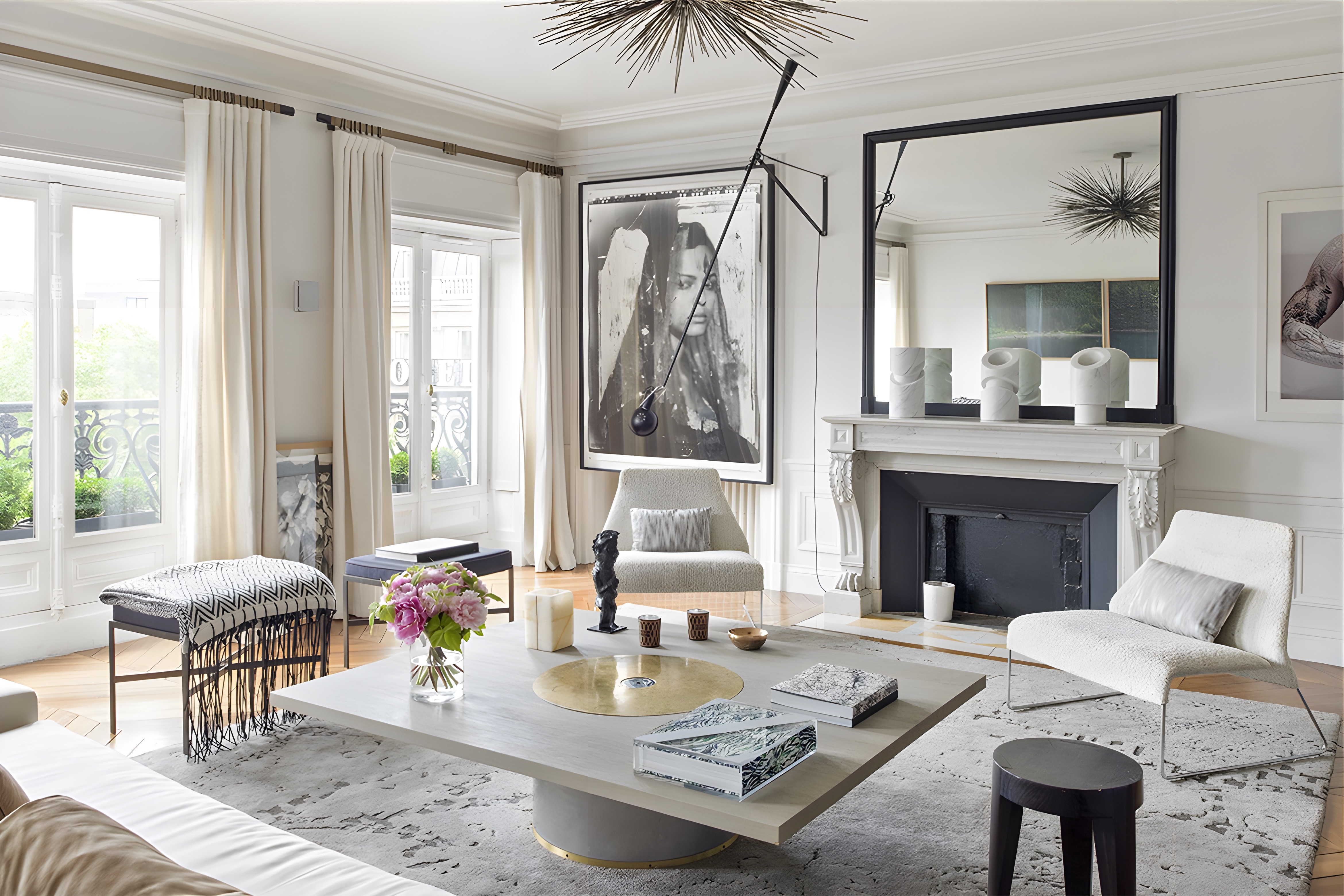
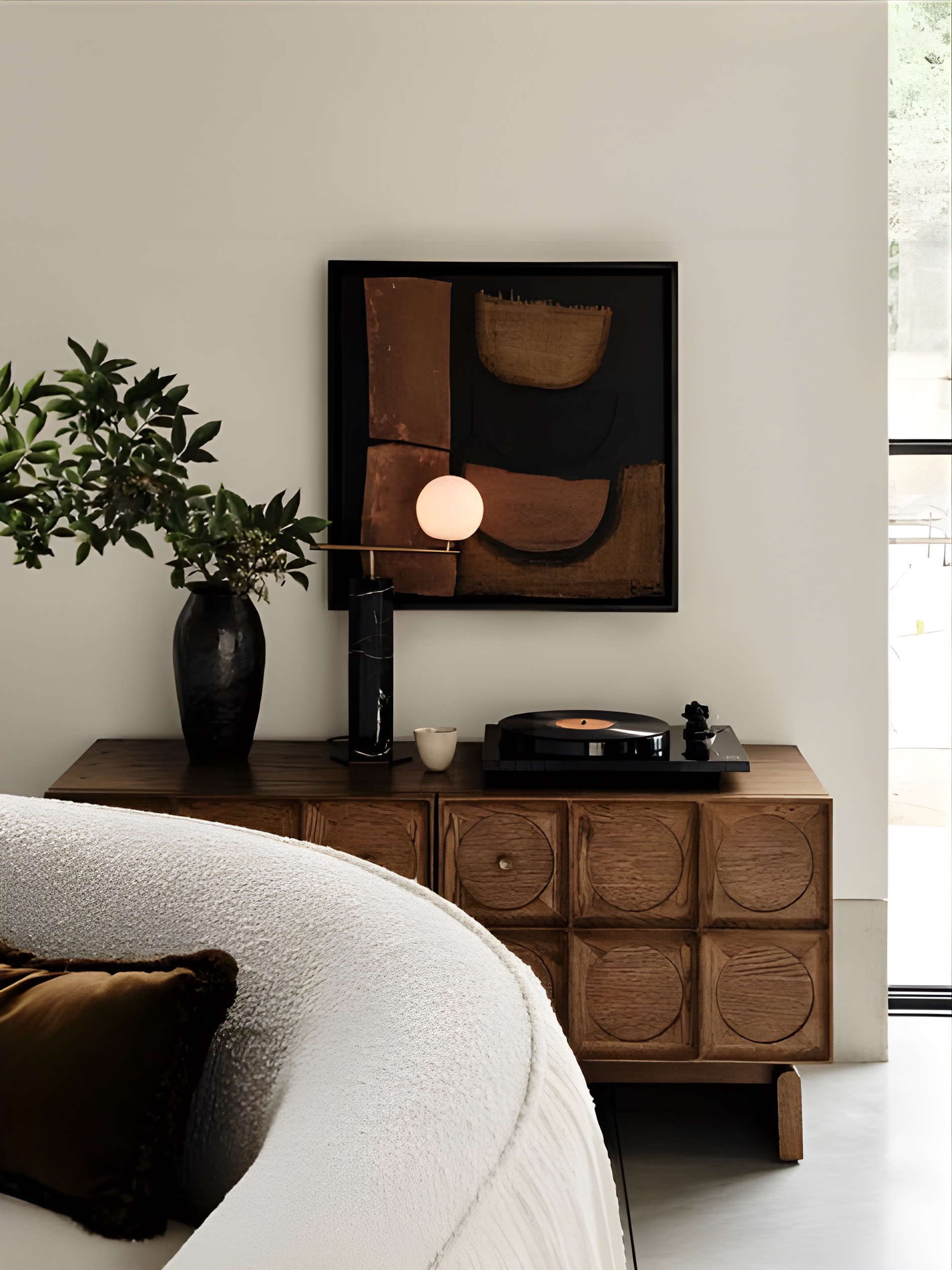
A detailed cabinet reads best against a calm wall and furniture with simpler lines. If the rug, curtains, lighting, and sofa all compete, the vintage piece loses its role.
Connect periods through common elements
- Repeat the timber tone in a shelf or frame.
- Take one upholstery colour into the textiles.
- Use a consistent metal across lighting and handles.
- Keep neighbouring pieces in a compatible scale.
Adapt it for modern use
Cables, equipment, and storage can be integrated without uncontrolled cutting. For a media cabinet or desk, plan ventilation, height, and cable routes with a professional.
Control the number
One or two vintage pieces are often enough to create depth in a room. Add more only when they have a function and a clear relationship to the modern foundation.
If a family piece belongs in a new project, include it in the survey and material palette from the beginning.
Discuss integration with ROAL →