·Redi K.·1 min read
How to Make Better Use of Natural Light
Natural light depends on more than window size. It is shaped by nearby furniture, textiles, room depth, and surfaces that absorb or reflect it.
Before adding artificial light, make sure the room is using the daylight it already receives.
Clear the window zone
Move tall furniture away from the path of incoming light. Check whether curtains can open fully and whether a frame, radiator cover, or desk is unnecessarily blocking part of the glass.
Choose curtains for the orientation
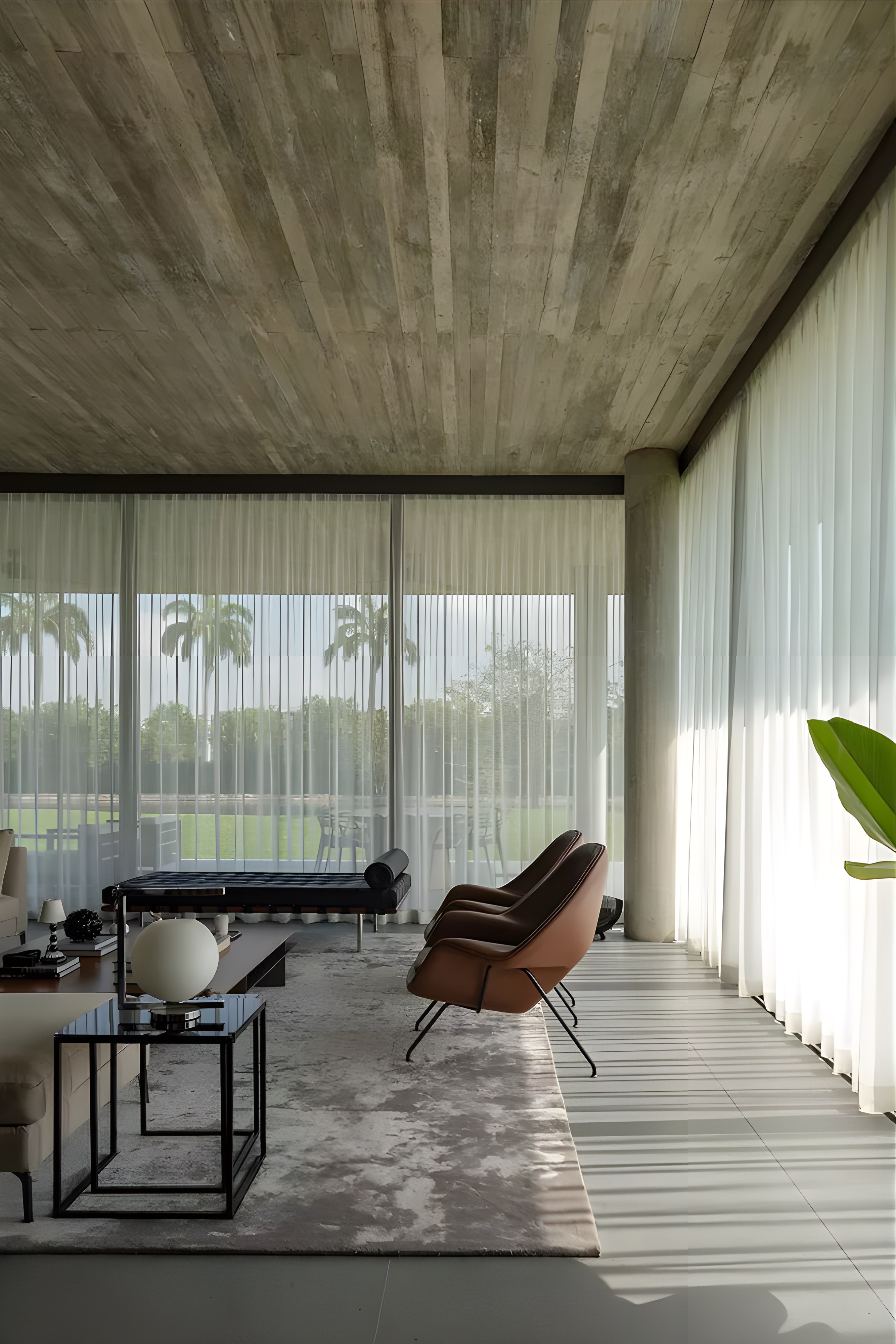
Sheer textiles filter light while supporting privacy, and a second layer provides blackout control. At strongly exposed windows, heat control and protection from fading matter as much as brightness.
Distribute light with surfaces
- Use ceilings and surfaces near the window with soft reflectance.
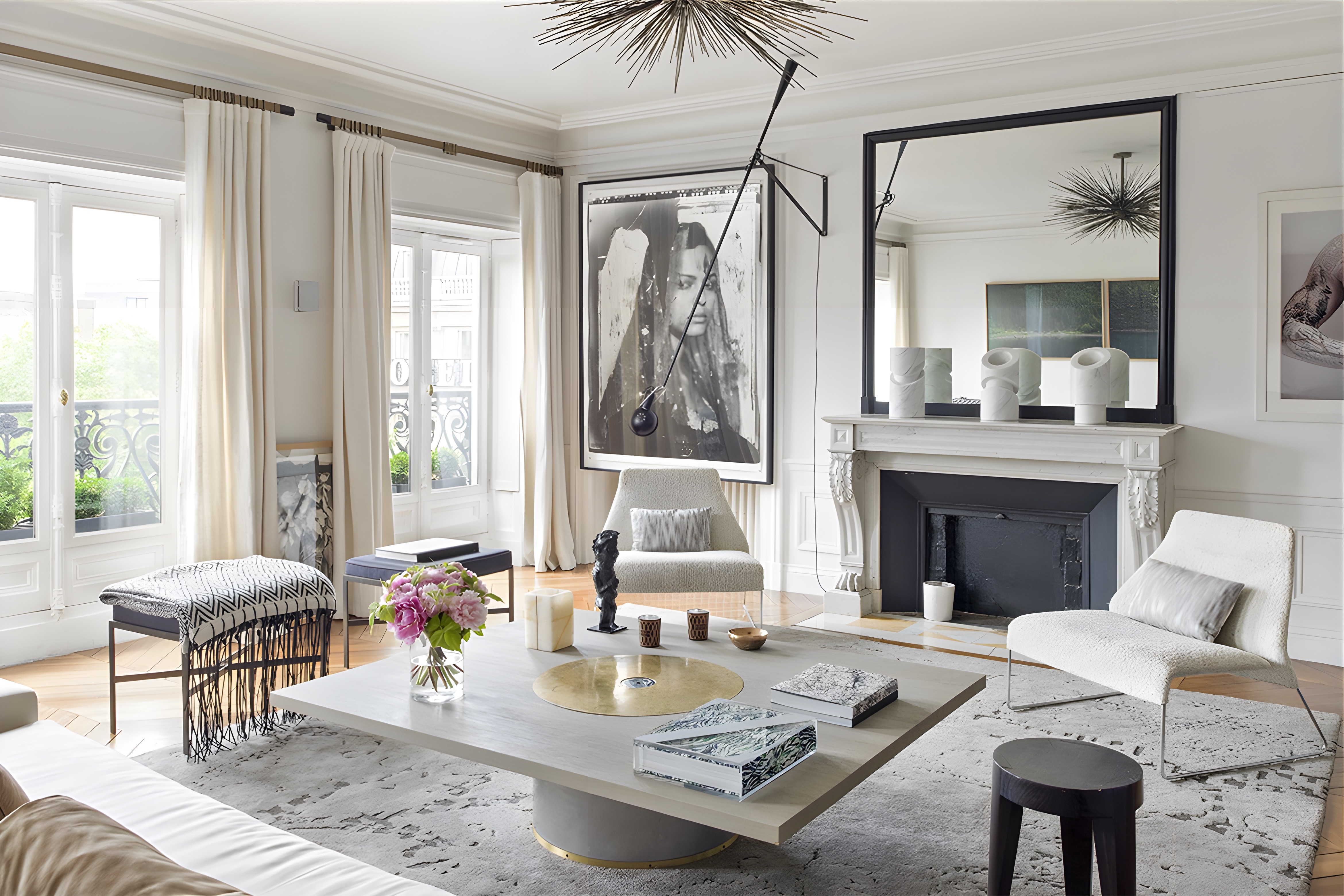
- Place mirrors where they return useful light rather than glare or clutter.
- Prefer satin or gentle matt finishes to highly glaring surfaces.
- Keep visually heavy furniture away from the principal light path.
Do not confuse light with white
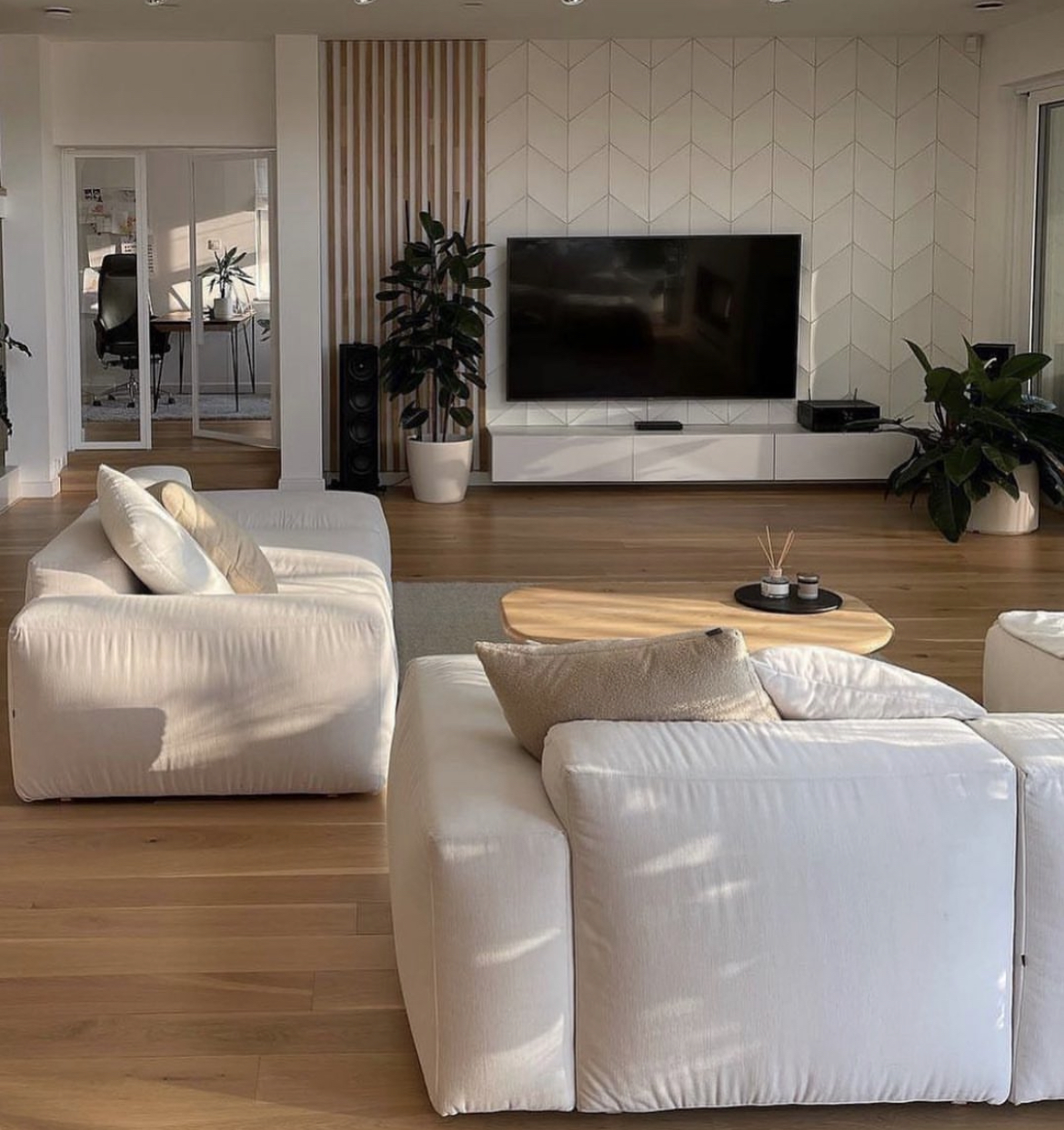
Light colours help distribution, but an entirely white room can feel flat. Warm pale tones, light timber, and controlled contrast retain depth without making the room dark.
Complete daylight with artificial light
In deeper areas, add soft light to walls, shelves, or tables instead of increasing only the ceiling output. The aim is a gentle transition from window to interior.
Furniture position, height, and finish directly affect how far daylight travels into a room.
Plan your interior with ROAL →