·Redi K.·8 min read

Wood Furniture Care: Protect & Preserve

Wood Furniture Care: Protect & Preserve

Keeping your furniture looking its best doesn’t require expensive products – just smart techniques and common household items. In this comprehensive guide, we’ll cover routine care, stain removal, minor repairs, and seasonal maintenance for all kinds of furniture: wooden pieces, metal and plastic components, shiny lacquered finishes, and glass surfaces. Follow these tips to prolong the life and beauty of your furniture while using simple items you likely already have at home.

Wooden Furniture

Wood furniture adds warmth and character to a home, and with proper care you can maintain its luster for generations. The key is gentle cleaning, prompt attention to spills, and protecting the wood from extreme conditions. Here’s how to care for wood surfaces:

Routine Care and Cleaning

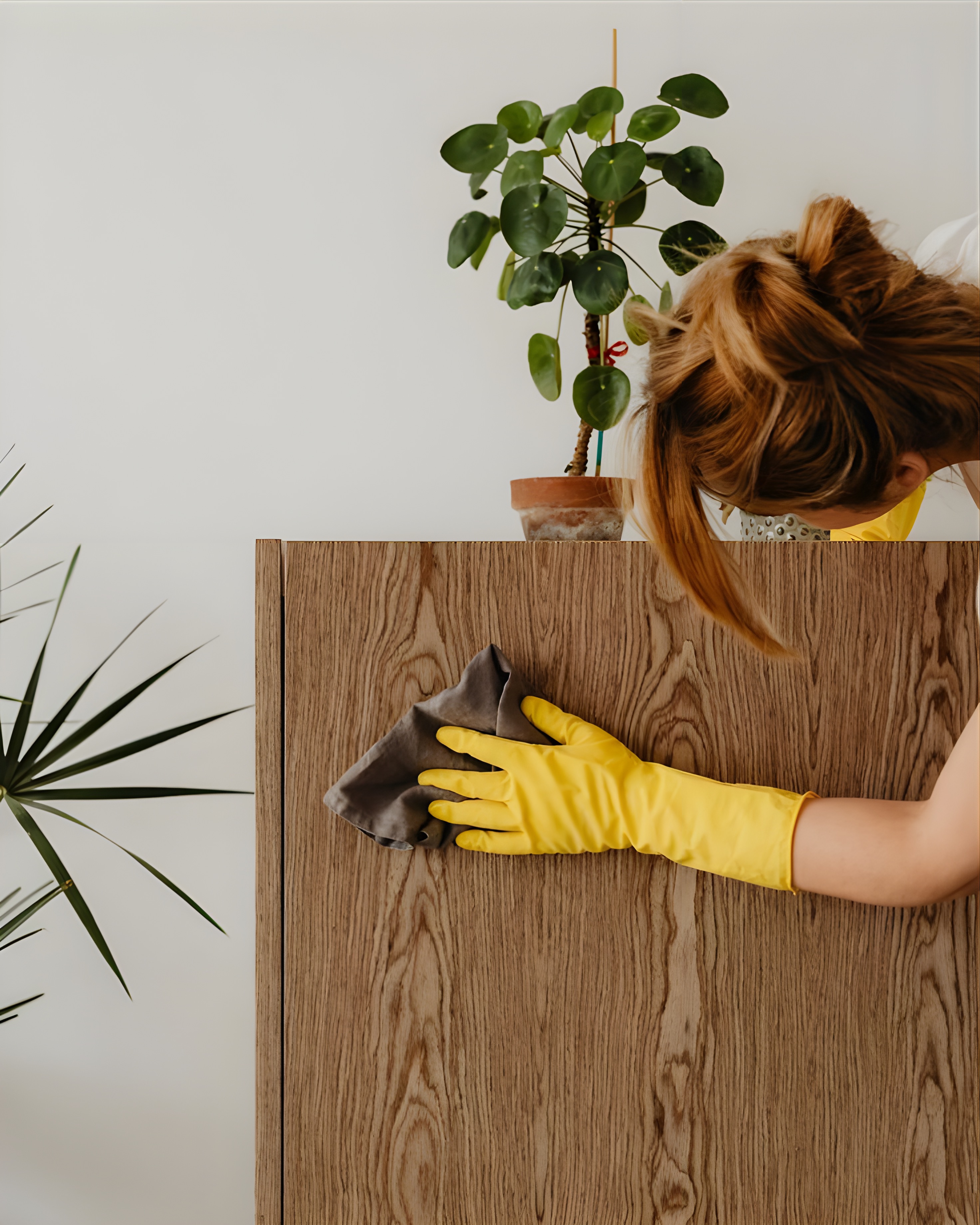
  • Frequent Dusting: Dust wood surfaces regularly with a soft, lint-free cloth slightly dampened with water. Dry dusting can rub gritty particles into the finish and cause micro-scratches, so a lightly damp cloth is safer. Always follow the wood’s grain while dusting to avoid catching debris.
  • Gentle Washing: For deeper cleaning, use a mild solution of dish soap and water. Dampen a soft cloth or sponge in a bowl of warm water with just a few drops of gentle dish soap (don’t saturate it). Wipe the wood, then immediately dry with a clean cloth – never let water sit on wood, as excess moisture can warp or dull the finish.
  • Avoid Harsh Cleaners: Steer clear of commercial all-purpose cleaners, ammonia, or bleach on wood. Even “natural” remedies like undiluted vinegar or lemon juice are not recommended on finished wood, as their acidity can damage or dull the finish over time.
  • Polishing (Optional): You generally don’t need to wax or polish modern wood finishes. If you do wish to polish, use a natural oil or wax sparingly, such as mineral oil or olive oil with a drop of lemon juice, and buff with a soft cloth.

Treating Stains and Spills

  • Water Rings (White Haze): Apply mayonnaise to the mark and let sit for a few hours or overnight, then wipe away. Alternatively, place a towel over the ring and press with a warm iron on low setting, checking every 10 seconds.
  • Stubborn Moisture Stains: Mix equal parts white vinegar and water, dampen a cloth, place over the stain for an hour, then wipe. For dark watermarks, sprinkle baking soda, add a few drops of vinegar, rub gently, and wipe clean.
  • Heat Marks: Use mayonnaise or non-gel toothpaste rubbed gently into the haze, let sit, then buff away.
  • Other Stains: Use a 50/50 mix of hydrogen peroxide and water on a cloth, lay on dark stain for 10–15 minutes, then wipe and dry. Test first on a hidden area.
  • Sticky Residue: Dip a cotton swab in olive oil (or peanut butter), apply to residue, warm with a hair dryer on low, then wipe away. Clean with mild soapy water afterward.

Repairing Minor Scratches and Scuffs

  • Walnut Trick: Rub the meat of a walnut over scratches; the natural oils darken and fill them. Buff with a soft cloth.
  • DIY Wood Filler: Mix wood dust and white glue into a paste, fill scratches, let dry, and touch up color with tea or coffee stain or a matching marker.
  • Wax Crayon or Eyebrow Pencil: Fill scratches with a matching crayon or pencil, then buff away excess with a soft cloth.
  • Coffee or Tea for Dark Woods: Apply coffee paste or black tea with a swab to scratches, let sit, wipe, and rub a drop of vegetable oil for sheen.
  • Blending Shallow Scuffs: Use non-gel toothpaste or baking soda paste on a soft cloth to buff out haze. Finish with a clean damp cloth and dry.

Seasonal Maintenance Tips

  • Maintain Stable Humidity: Aim for 35–45% RH. Use a humidifier in winter and an air conditioner or dehumidifier in summer.
  • Avoid Heat Sources and Sunlight: Keep wood away from vents, radiators, and direct sun. Use curtains or UV film if needed.
  • Use Coasters and Pads Year-Round: Prevent rings and heat marks with coasters, placemats, and tablecloths.
  • Seasonal Check-Up: Tighten screws, rub candle wax or soap on sticking drawers, and condition oil-finished wood 1–2 times a year.

Furniture with Metallic and Plastic Parts

Modern furniture often includes metal frames, hardware, or plastic elements. These materials benefit from regular care to prevent corrosion, scratches, or discoloration. Here’s how:

Routine Care and Cleaning

  • Metal Surfaces: Dust with a soft cloth, clean with mild soap and water, dry thoroughly, and buff with a microfiber cloth. Avoid abrasives.
  • Plastic Surfaces: Clean with warm water and dish soap, rinse, and dry. Use cotton or microfiber cloths to avoid scratches.
  • Pro Tip: Wipe surfaces with a used dryer sheet or cloth spritzed with diluted fabric softener for an anti-static dust repellent.

Treating Stains and Marks

  • Rust Spots: Apply white vinegar, baking soda paste, or lemon and salt to rust, scrub, rinse, and dry. Rub mineral oil afterward.
  • Water Spots and Tarnish: Use vinegar for mineral deposits; lemon juice and baking soda for brass or copper tarnish.
  • Food Stains on Plastic: Rub lemon juice, let sit in sun, or soak with vinegar solution. Use rubbing alcohol for stubborn stains.
  • Scuff Marks: Erase scuffs with a pencil eraser or baking soda paste. A magic eraser can also work lightly.

Repairing Minor Surface Damage

  • Metal Fixes: Touch up chips with matching nail polish or paint. Buff fine scratches with baking soda paste.
  • Plastic Fixes: Buff scratches with non-gel toothpaste or baking soda paste. Repair cracks with super glue or epoxy.
  • Restoring Shine: Polish chrome with aluminum foil; buff plastic with olive oil or automotive wax.

Minor Seasonal Maintenance

  • Preventing Rust: Touch up paint on outdoor metal, apply wax or oil, and cover or dry metal during wet seasons.
  • UV and Cold Protection for Plastics: Shade plastic furniture from sun; store indoors in winter or cover and avoid weight on very cold plastic.
  • General Upkeep: Tighten hardware, oil moving parts, and replace cracked plastic feet.

Furniture with Shiny Surfaces (Lacquered or High-Gloss Finishes)

Shiny furniture highlights every fingerprint, smudge, and speck of dust. Caring for lacquered and glossy finishes requires a gentle touch:

Routine Care and Cleaning

  • Frequent Dusting: Use a microfiber cloth or feather duster weekly to avoid fine scratches.
  • Mild Cleaning Only: Wipe with a barely damp cloth and a drop of gentle soap, then dry and buff immediately.
  • Avoid Over-Cleaning: Often just buffing with a dry cloth is enough; avoid abrasives and ammonia-based cleaners.

Treating Stains or Cloudiness

  • Water Spots: Buff with baking soda paste or apply petroleum jelly overnight, then wipe and buff.
  • Sticky Stains: Use olive oil or citrus solvent on a cloth, test first, then buff clean.
  • Dullness or Haze: Wipe with naptha or mineral spirits and buff; toothpaste can polish small areas.
  • Ink Stains: Dab rubbing alcohol, then clean with water and dry.

Repairing Minor Scratches and Scuffs

  • Fine Scratches: Buff with toothpaste or baking soda paste to smooth edges, then wipe clean.
  • Deeper Scratches: Fill with clear nail polish or wax repair stick, let dry, then buff level with fine sandpaper or toothpaste.
  • Edge Chips: Color with a matching permanent marker, smudge to blend, and seal with clear nail polish.

Minor Seasonal Maintenance

  • Humidity Control: Keep 40% RH to prevent cracking or peeling.
  • Temperature and Sunlight: Avoid direct sun and heat sources; use curtains or UV film.
  • Use Protection: Always use coasters, trivets, and mats to prevent damage.
  • Polish Occasionally: Use beeswax-based polish or mineral oil 1–2 times a year, sparingly.

Glass Surfaces

Glass furniture brings light and openness to a room and is easy to clean but shows every fingerprint and scratch. Follow these guidelines to keep glass crystal clear:

Routine Care and Cleaning

  • Regular Wiping: Use a 50/50 vinegar and water solution with a lint-free cloth or newspaper; buff dry.
  • Dust First: Remove grit with a soft cloth or brush to avoid scratches before wiping with liquid.
  • Edge & Crevice Cleaning: Use a cotton swab or toothbrush dipped in vinegar solution for corners and frames.

Treating Stains and Smudges

  • Fingerprints & Grease: Add dish soap to vinegar spray or rub with rubbing alcohol; use raw potato starch hack for heavy grease.
  • Hard Water Spots: Soak with vinegar cloth, scrub, or use baking soda paste and vinegar combo to dissolve deposits.
  • Sticky Residue: Apply oil or warm soapy water, soak, then scrape with a plastic scraper or old credit card.
  • Cloudiness or Film: Clean with straight vinegar or rubbing alcohol; denture tablets can help on very tough film.

Repairing Minor Scratches

  • Toothpaste Polishing: Buff scratches with non-gel toothpaste or baking soda paste on a soft cloth; wipe clean.
  • Metal Polish or Jewelers Rouge: Use Brasso or rouge if available; otherwise toothpaste remains best.
  • Clear Nail Polish Filler: Fill deeper scratches with clear nail polish, dry, then remove excess with acetone or razor.

Seasonal Considerations and Safety

  • Thermal Shock: Avoid extreme hot-to-cold contact; use trivets and let glass cool gradually.
  • Outdoor Glass Furniture: Secure or store during storms; check clips and bumpers after winter.
  • Condensation: Wipe morning dew to protect adjacent wood or metal.
  • General Safety Check: Tighten supports, replace rubber bumpers, and ensure stability seasonally.
  • Holiday Decor Caution: Use suction hooks, avoid strong tapes, and monitor heat from lights on glass.

In Summary

Caring for furniture at home doesn’t require fancy polishes or expensive kits. Whether you’re tending to rich wood, modern metal and plastic, glossy lacquer, or clear glass, the formula is simple – clean routinely with gentle methods, tackle issues promptly with smart DIY tricks, and protect your pieces from the extremes. Use mild soap, water, vinegar, baking soda, oils, and other household helpers to keep each material in top shape. By following these expert tips, you’ll ensure your furniture remains beautiful, functional, and showroom-worthy for years to come, all without breaking the bank or introducing harsh chemicals into your home. Happy cleaning and enjoy the gleam of well-cared-for furniture!